Foam Packaging Direct Resource Center

The Foam Packaging Direct resource center answers the questions buyers, engineers, and shipping teams ask us every day: which foam to choose, how custom inserts work, and how to protect a product without overpaying for packaging. Our team writes every article from more than 20 years of hands-on packaging experience, giving you practical answers you can apply to your next shipment.

20+ Years in Foam Packaging

Advice drawn from real projects

Six Foam Materials to Choose From

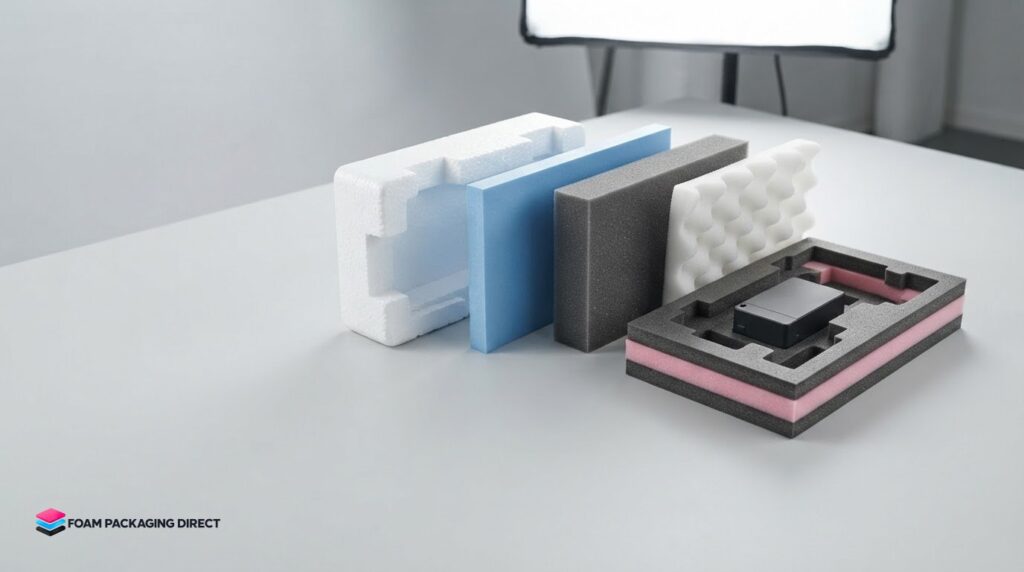
PE, XLPE, PU, EPS, EPP, and ESD

Built to Your Specs

Custom inserts cut to your product

Prototype First

You test the packaging before production

Shipped Direct Nationwide

We deliver foam nationwide

What You Will Learn Here

Choosing protective packaging gets easier once you understand how foam behaves. Our articles explain how each foam material absorbs shock, how cell structure changes cushioning and durability, and how cavity design keeps a product from shifting in its box. We compare common packaging options side by side, so you can see where foam outperforms bubble wrap, paper fill, or loose fill and where a simpler option makes more sense.

We also walk you through the practical side of a packaging project. You will find step by step guides on measuring a product for a custom insert, choosing between single use and returnable packaging, and preparing the details our team needs for an accurate quote. Every article links to the product, material, and capability pages that go deeper, turning this blog into a starting point for your next packaging decision.

Featured Articles

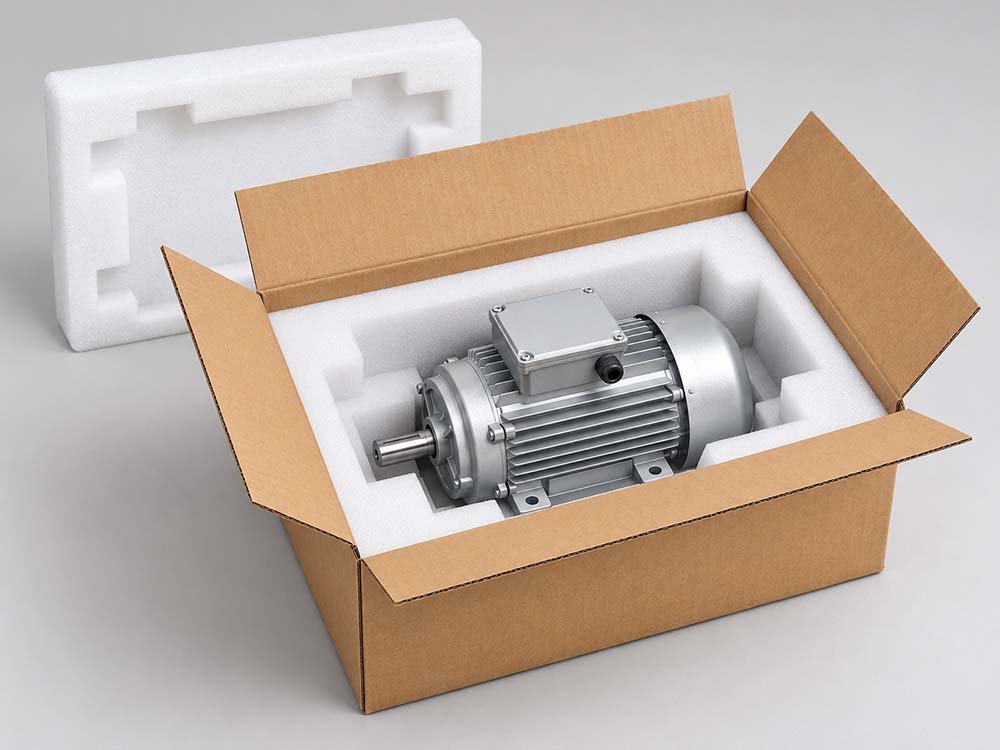
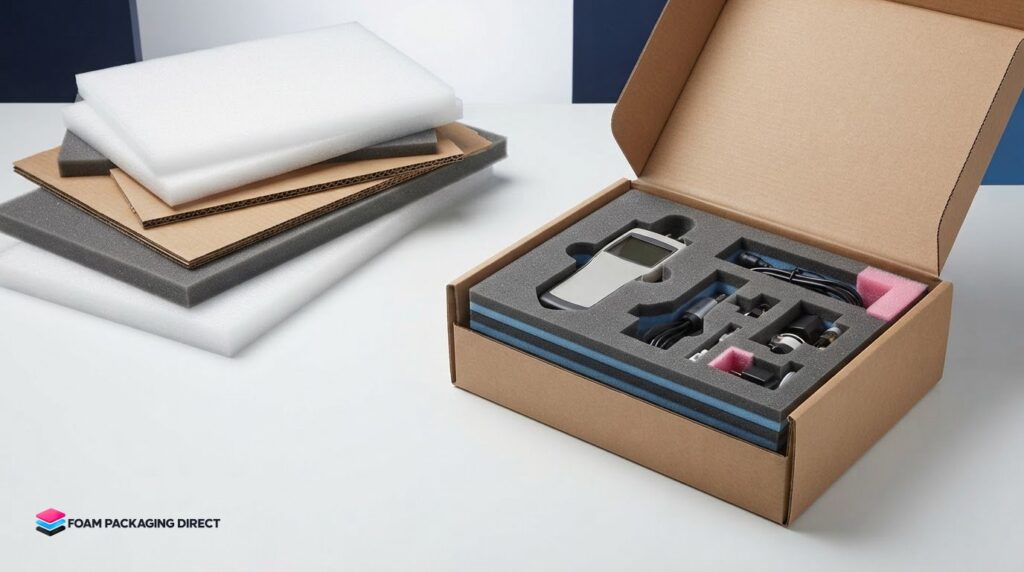
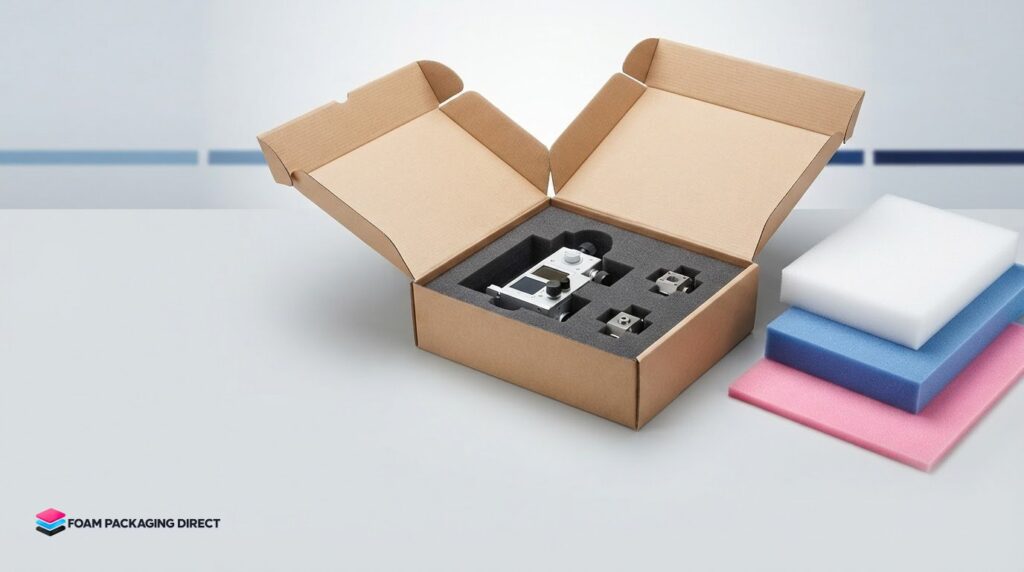
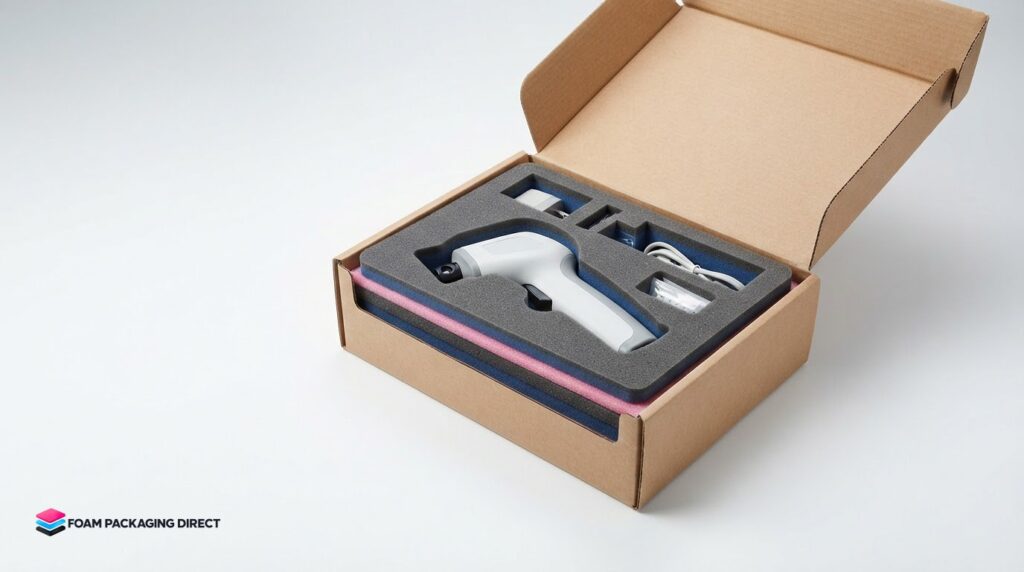
Custom Foam Inserts Sized and Designed for Your Application

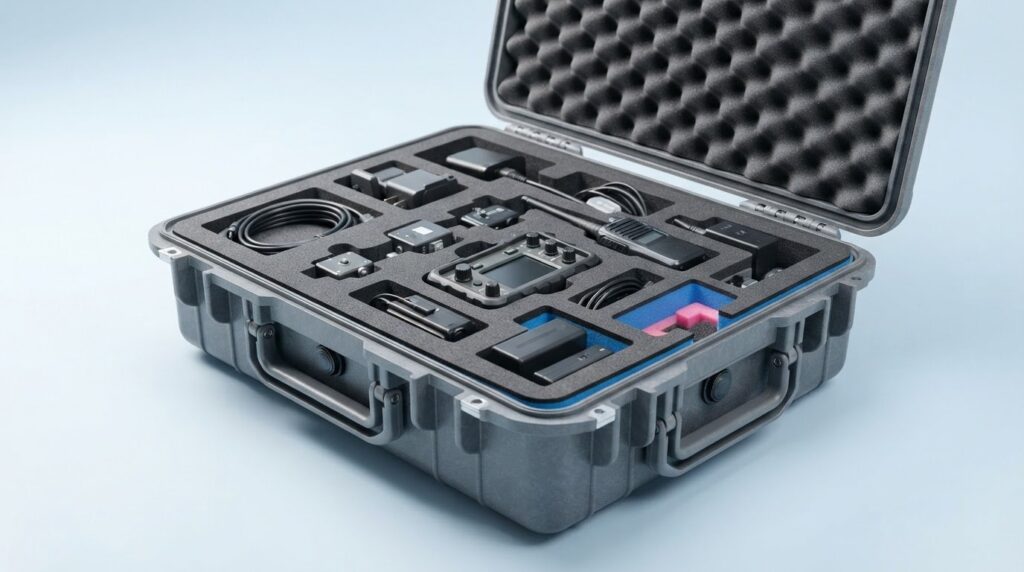
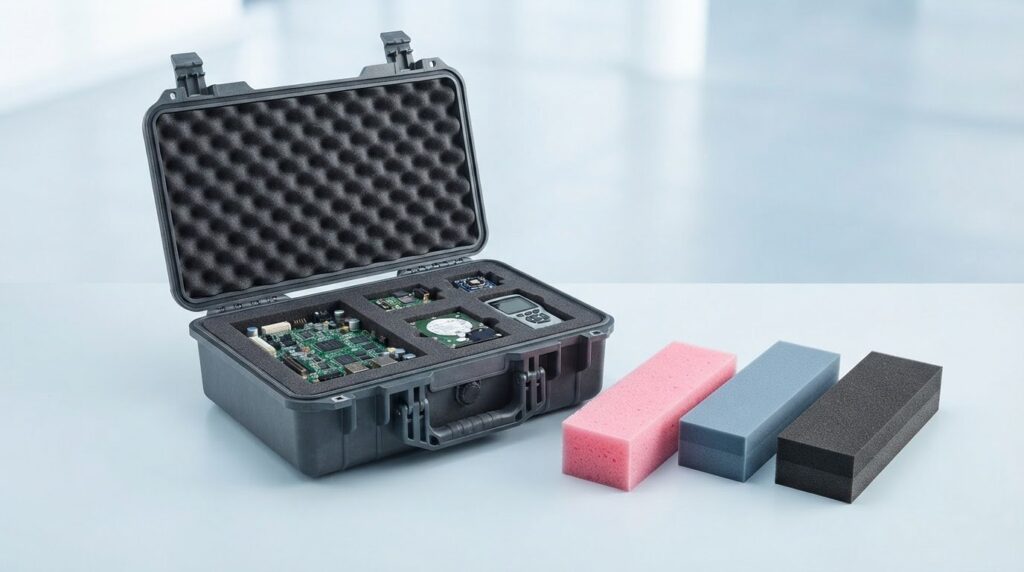
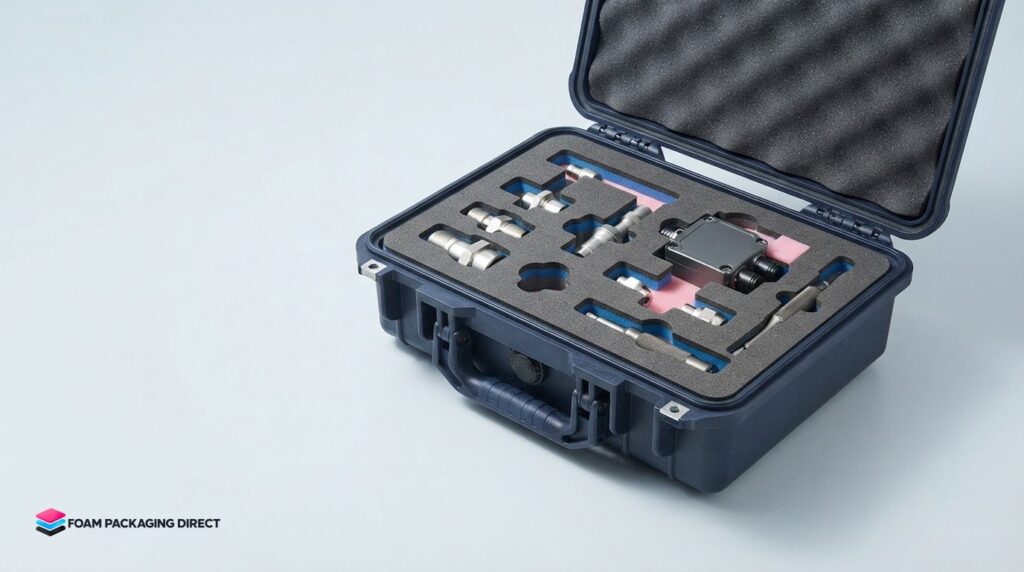
Custom Foam Inserts for Cases, Electronics, and Shipping

A loose product inside a box is a protection problem, not just a packing inconvenience. Custom foam inserts hold items in place, cushion delicate...
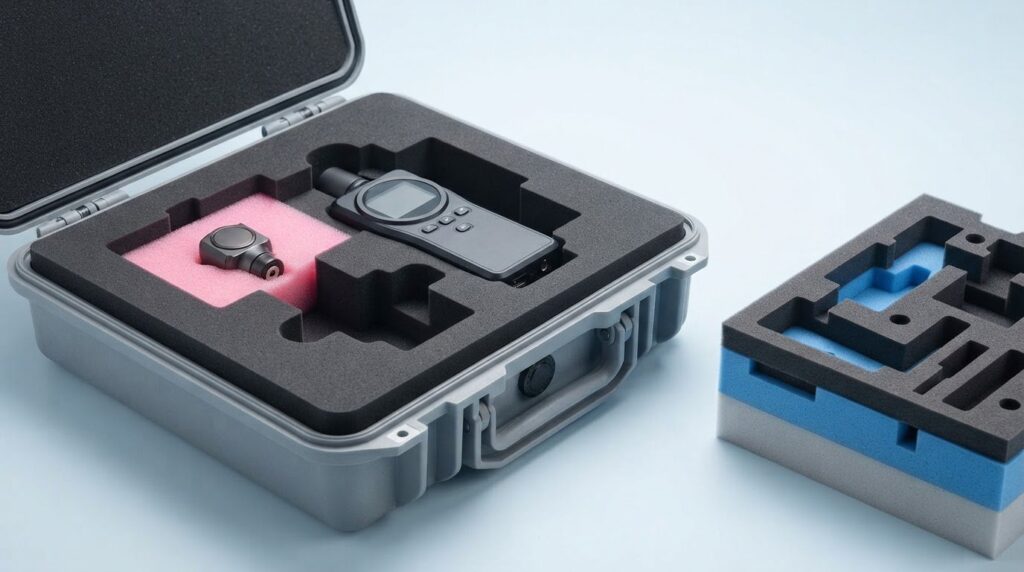
Custom Foam Prototyping for OEM Product Development

Custom Foam Prototyping for OEM Product Samples and Testing

A CAD model can look complete and still conceal a fit or geometry issue. Custom foam prototyping turns a digital design into a physical model
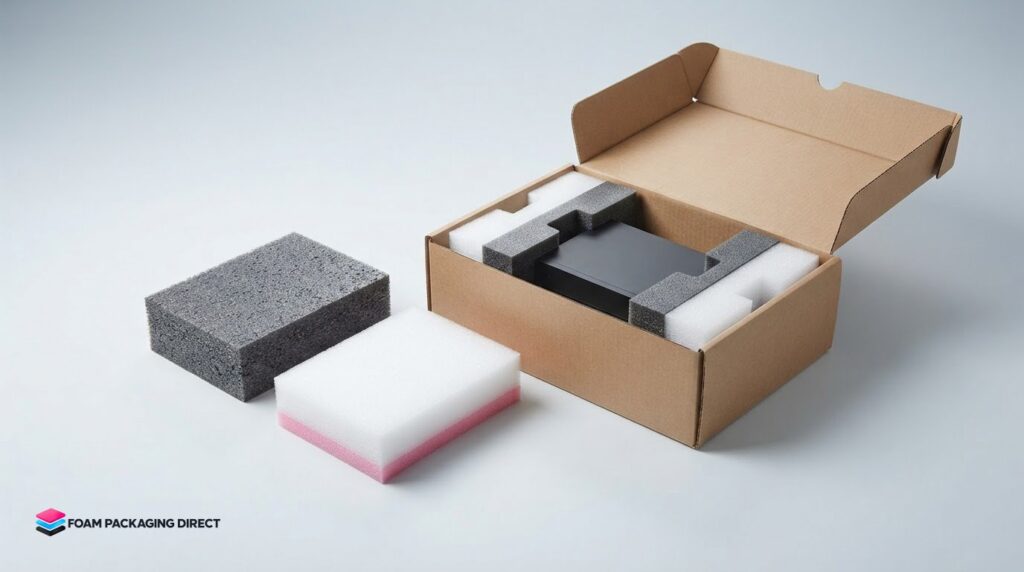
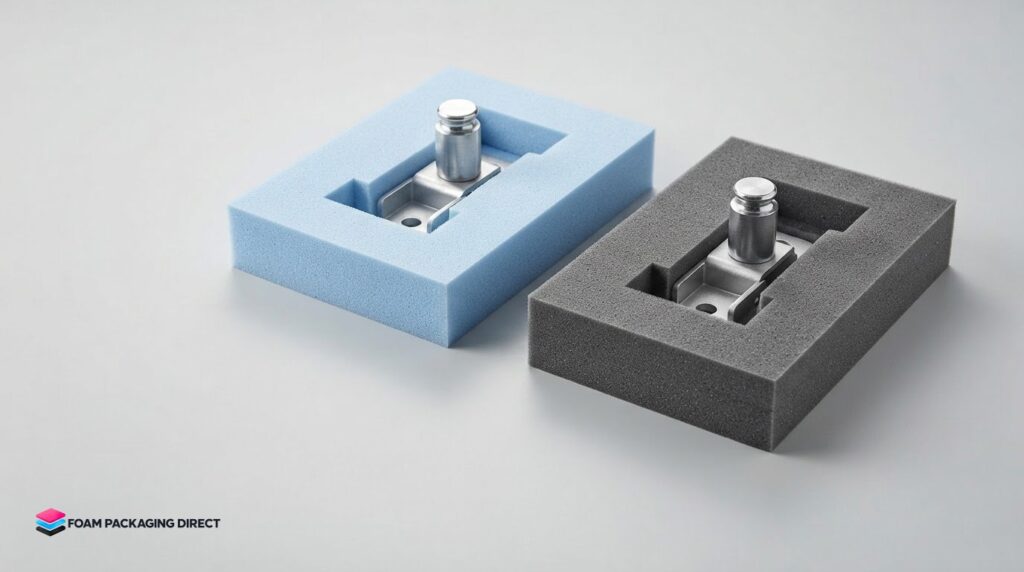
Ethafoam Alternatives Compared with EPS, XPE, PU and EPE

Ethafoam Alternatives Compared with EPS, XPE, PU and EPE

The best alternatives to Ethafoam polyethylene foam aren’t interchangeable. EPS, XPE, PU, and EPE suit different packaging needs, and the right...
Foam Packaging for Sensitive Electronics: Choose the Right ESD Foam

Foam Packaging for Electronics: Choose by ESD Risk and Device Weight

Foam packaging for sensitive electronics should be selected first by static sensitivity, then by device weight and the cushioning it needs. Highly...
Uline Packaging Foam vs Custom Fabricators for Your Products

Uline Packaging Foam vs Custom Fabricators for Your Products

Stock foam is a practical fit for standard protection and repeat orders; custom fabrication suits products that need a precise shape, material, or...
Custom Foam End Caps for Existing Box Compatibility

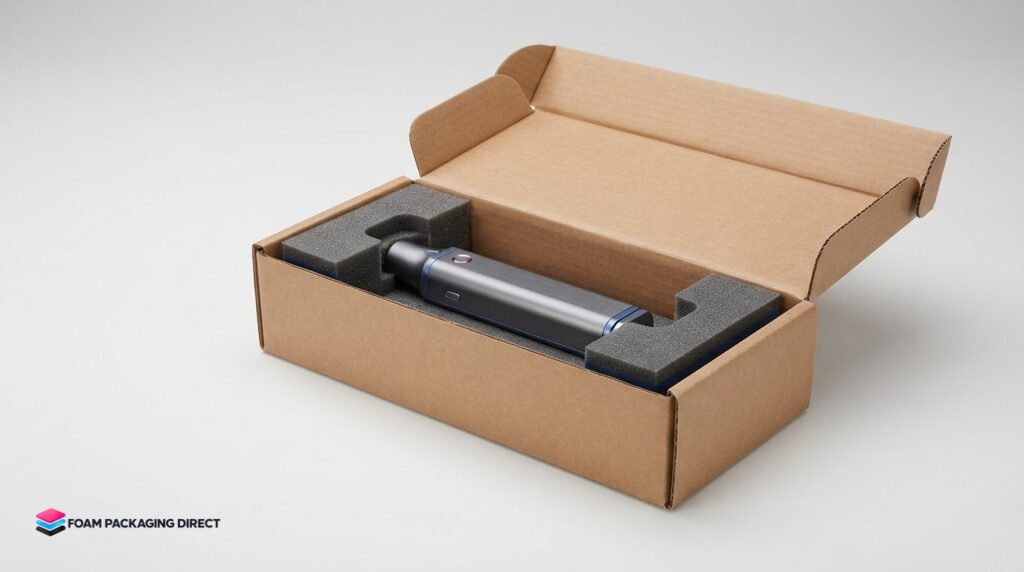
Custom Foam End Caps for Existing Box Compatibility

The right foam is only half the fit. Custom foam end caps are commonly made from polyethylene, with polyurethane, cross-linked polyethylene, EPS, and...

Packaging Advice From People Who Build Foam Packaging

Our team designs, cuts, and ships foam packaging every day, and we write this blog from that work. Every article reflects what we see on real projects, from the materials that hold up best to the design details that prevent damage.

  • Practical guidance: We focus on decisions you actually face, such as which foam to choose and how to lay out a cavity.
  • Honest comparisons: We tell you when a simpler or lower cost option protects your product just as well.
  • Connected resources: Every article links to the product, material, and capability pages that explain each topic in more depth.
  • Direct access to experts: If an article raises a question about your product, our team will answer it for you.

Latest Articles

Protective Retail Foam Inserts for Luxury Watches and Jewelry

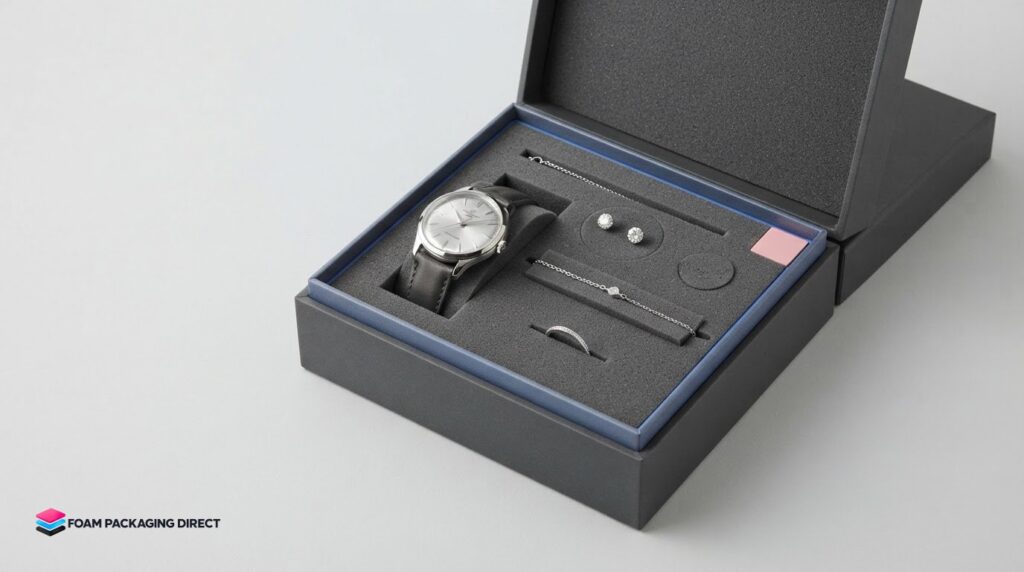
Protective Retail Foam Inserts for Luxury Watches and Jewelry

A polished retail presentation starts with controlled movement. Luxury watch and jewelry retail presentation foam inserts cushion each piece, help...
Custom CNC-Routed Foam Inserts for Aerospace Parts

Custom CNC-Routed Foam Inserts for Aerospace Parts

Aerospace parts need more than a cavity that matches their outline. Foam inserts for aerospace parts are designed around each component’s shape,...
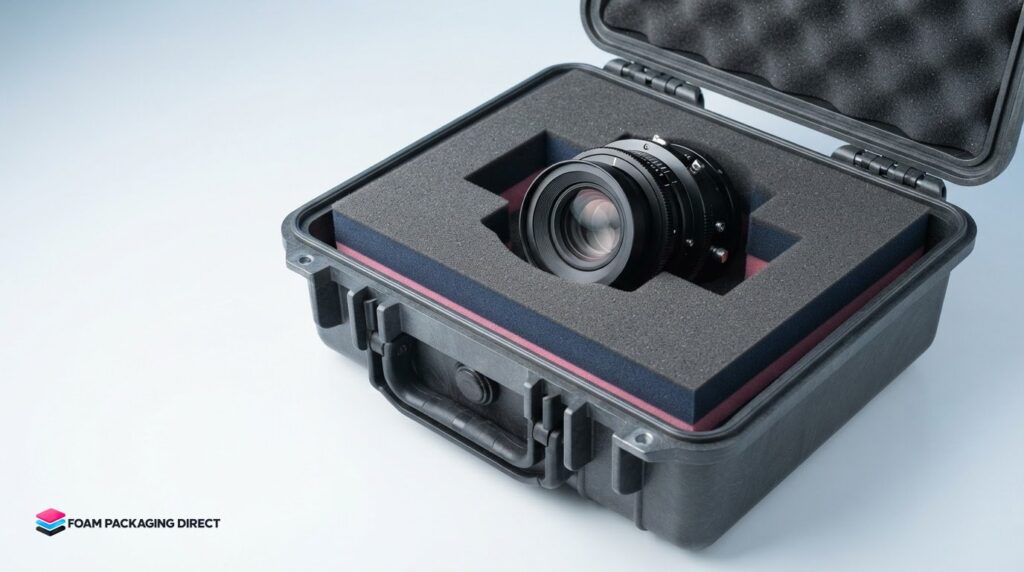
Non-Outgassing Packaging Foam for Optics: Choosing Closed-Cell Options

Non-Outgassing Packaging Foam for Optics: Choosing Closed-Cell Options

Closed-cell foam isn’t automatically non-outgassing. Choosing non-outgassing packaging foam for optical components means considering material test...
Stratocell Foam vs Polyethylene Foam for Shipping Electronics

Stratocell Foam vs Polyethylene Foam for Shipping Electronics

Stratocell and generic polyethylene foam belong to the same material family, but they are not automatic substitutes. The right choice in the...
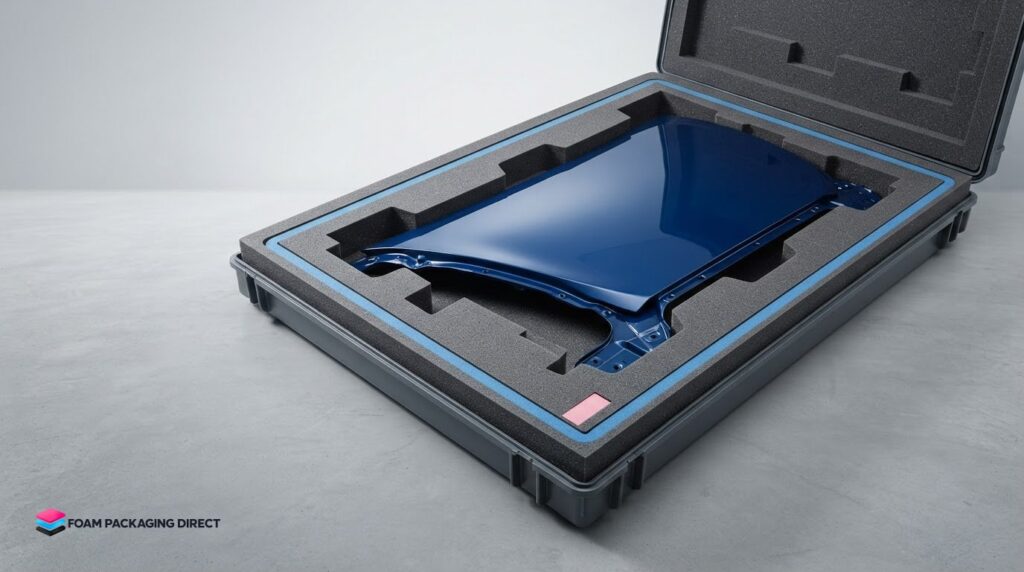
Protect Class A Surfaces with Custom XLPE Foam

Protect Class A Surfaces with Custom XLPE Foam

A cushioning layer of cross-linked polyethylene foam can help protect Class A surfaces from scuffs during handling and shipping. For cross-linked...
Compare Custom Foam Options for Product Protection

Compare Custom Foam Options for Product Protection

The closest match isn’t automatically the best fit. When comparing Plastifoam custom foam competitors, consider how well each company can shape...
Medical Device Foam Inserts for Safe, Clean Packaging

Medical Device Foam Inserts for Safe, Clean Packaging

Protective packaging for medical devices starts with a fit designed around the device, not a one-size-fits-all cushion. Foam inserts for medical...
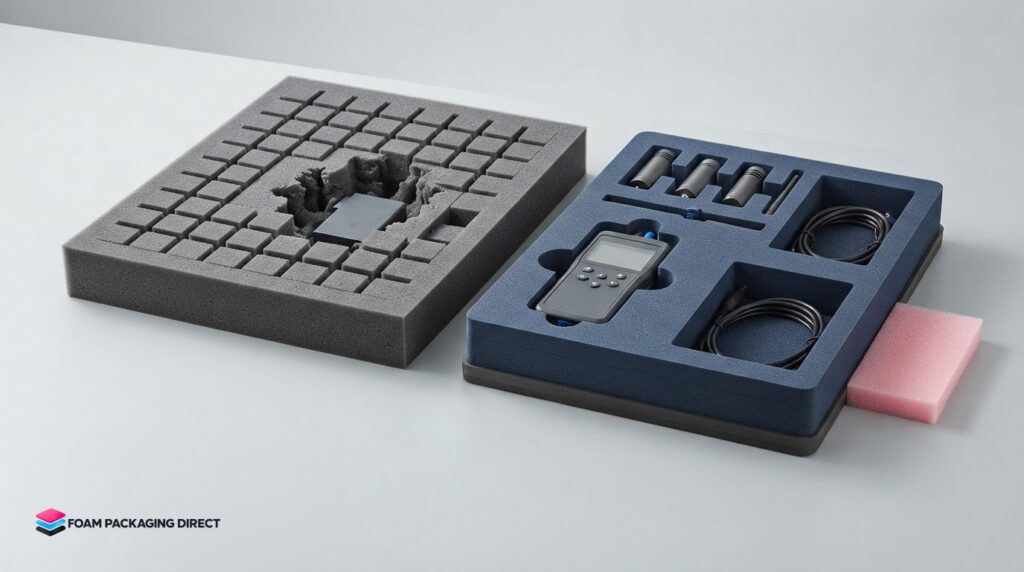
Pick and Pluck Foam vs Custom Foam: Which Fits Your Product

Pick and Pluck Foam vs Custom Foam: Which Fits Your Product

Pick-and-pluck foam is practical when contents change often or you need a quick, adaptable layout. For products that need dedicated pockets, closer...
1.7 lb vs 2.2 lb Polyethylene Foam for Firmness and Uses

1.7 lb vs 2.2 lb Polyethylene Foam for Firmness and Uses

For the same polyethylene foam type, 2.2 lb density is generally firmer and more resistant to compression than 1.7 lb density. The 1.7 lb vs

Get New Foam Packaging Guides in Your Inbox

Subscribe and we will send you each new article, comparison, and packaging tip as soon as we publish it. We keep every email short and useful, and you can unsubscribe at any time.

Let's protect what you ship

Ready to Put These Packaging Tips to Work?

Our articles give you the knowledge, and our team turns it into packaging built for your product. Tell us what you ship, and we will recommend the right foam, design a custom solution, and deliver it ready to pack, backed by more than 20 years of foam packaging experience.