Organized foam tray inserts give each component a defined position, making empty pockets easier to spot and quantities simpler to check.

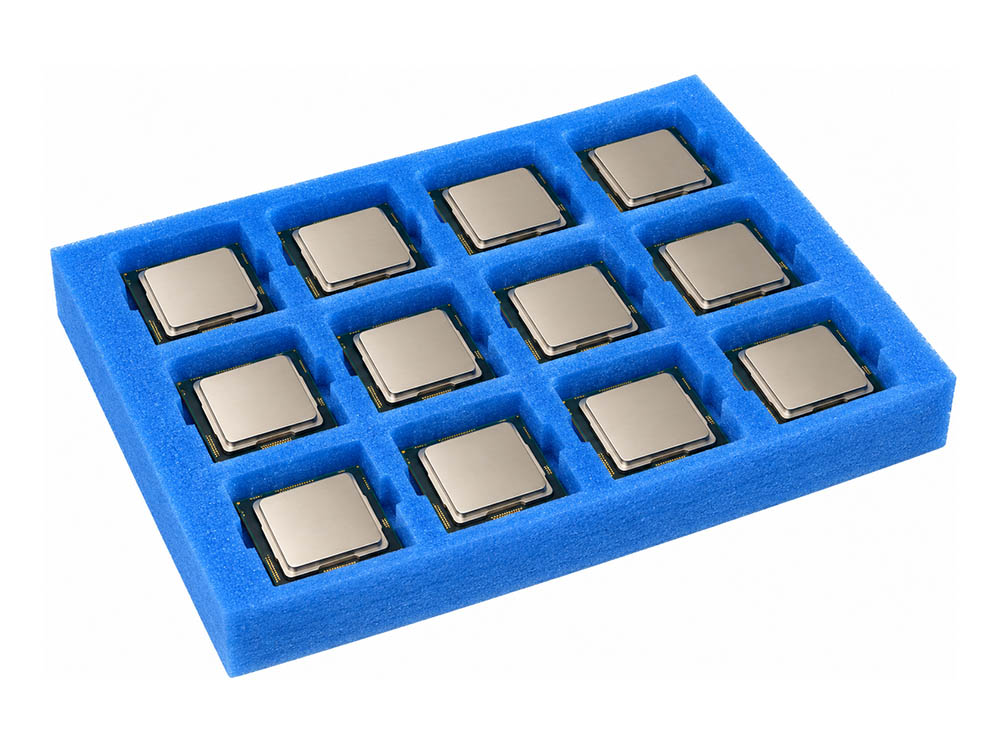
Dunnage designed by experienced specialists
Durable PE and EPP foams for repeated use
Custom designed to fit totes, bins, trays, and racks
You test the fit on your line before full production
Replacement inserts match exactly
♢
♻
☑
♧
| Foam Insert Type | How It Works | Common Uses |
|---|---|---|
| Foam Tote Inserts | Foam inserts fit the interior of your tote, with custom pockets sized and positioned to support individual parts. | Plastic totes, stackable bins, work-in-progress handling |
| Foam Tray Inserts | Custom foam cavities organize parts in a single layer, with configurations available for layered packing inside containers. | Machined components, finished assemblies, organized parts storage |
| Reusable Foam Inserts | Durable foam materials and fitted layouts support repeated handling and return trips between facilities or suppliers. | Returnable containers, supplier shipments, repeated parts transport |
| Foam Partitions & Foam Dividers | Interlocking or fitted foam sections create compartments that separate parts and help prevent contact. | Long parts, cylindrical components, mixed-part kits |
| Foam Lid Inserts & Foam Top Pads | Fitted foam adds cushioning above the parts and helps limit vertical movement when the container is closed. | Lidded totes, protective cases, reusable shipping containers |
| Foam Material | Why Choose It | Common Uses |
|---|---|---|
| Polyethylene (PE) Foam | Durable, closed-cell foam resists moisture and provides cushioning and support for repeated handling. | Foam tote inserts, heavier components, reusable packaging |
| Cross-Linked Polyethylene (XLPE) Foam | Fine-cell foam offers a smooth contact surface and consistent cushioning to help protect delicate finishes. | Machined parts, painted surfaces, polished components |
| Expanded Polypropylene (EPP) Foam | Resilient bead foam absorbs repeated impacts and provides durable support for reusable packaging applications. | Foam handling trays, returnable containers, repeated parts transport |
| Anti-Static Foam | Specially formulated foam helps reduce static buildup while cushioning sensitive electronic components. | Foam tray inserts for circuit boards, sensors, electronic modules |
| Option | What We Offer |
|---|---|
| Container Sizing | Foam inserts cut to the interior dimensions of your totes, bins, trays, or racks for a secure fit and reduced movement. |
| Pocket Layout | Custom pocket shapes, depths, and spacing arranged around your components, loading sequence, and access requirements. |
| Layered Foam Inserts | Multiple foam tray inserts with foam separator sheets to organize parts in layers within a container. |
| Finger Pulls and Access Cuts | Cutouts beside pockets provide room to grip and remove components while reducing stress on the foam. |
| Foam Colors | Color options help distinguish part groups, packing layouts, or production stages, depending on material availability. |
| Part Identification | Labels or identification markings help operators match components with their intended pockets. |
Foam tote inserts and foam tray inserts help protect machined fittings, fasteners, and assemblies during handling and transport between suppliers and production areas.
Foam tray inserts separate and organize device components, housings, and instruments during production, inspection, and assembly.
Anti-static foam tote inserts and foam tray inserts help reduce static buildup while cushioning electronic components. Custom foam pockets also help separate and protect delicate optical parts.
Durable PE and EPP foam tote inserts support gears, shafts, and castings, helping reduce movement and contact during handling and shipping.
Custom foam tray inserts organize finished products for storage, kitting, and presentation, with fitted pockets that keep items separated and easy to identify.
1
Send us part drawings or samples, along with the tote, bin, or tray the insert will live in and how the parts travel.
2
Our team chooses the foam, plans the pocket pattern for maximum density and easy access, and sends you a quote.
3
We cut a sample insert so your operators can load it, run it through your process, and request adjustments.
4
We produce your dunnage, ship it direct, and keep the approved design on file for replacements and expansions.
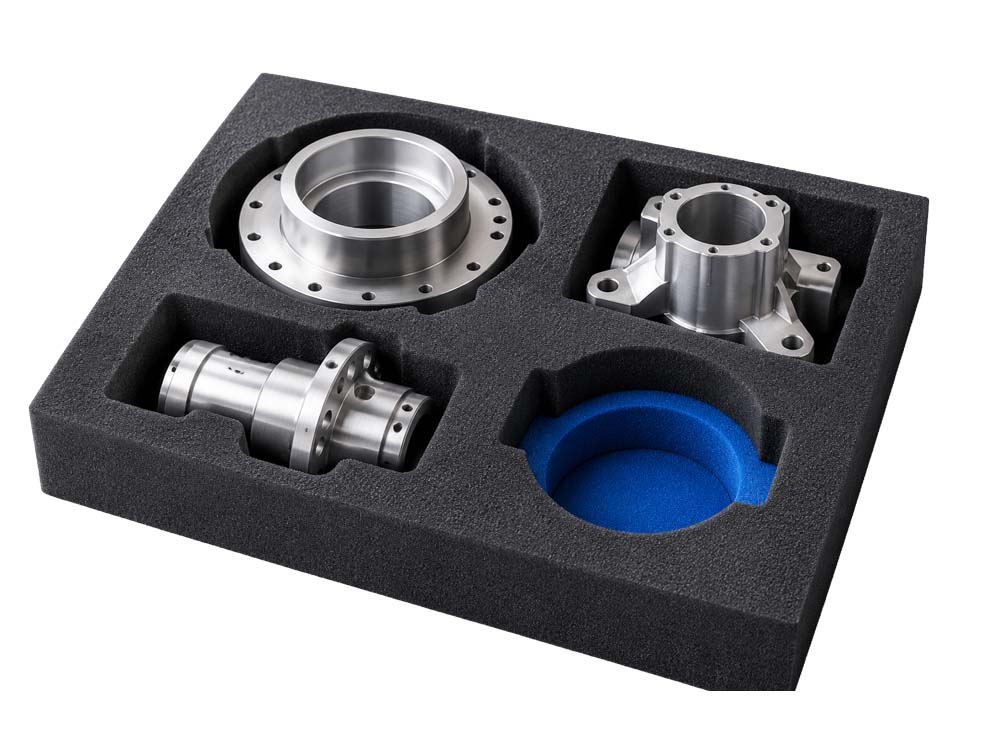
Carry the same pocket design into boxes and cases when parts leave your returnable loop and ship to customers.
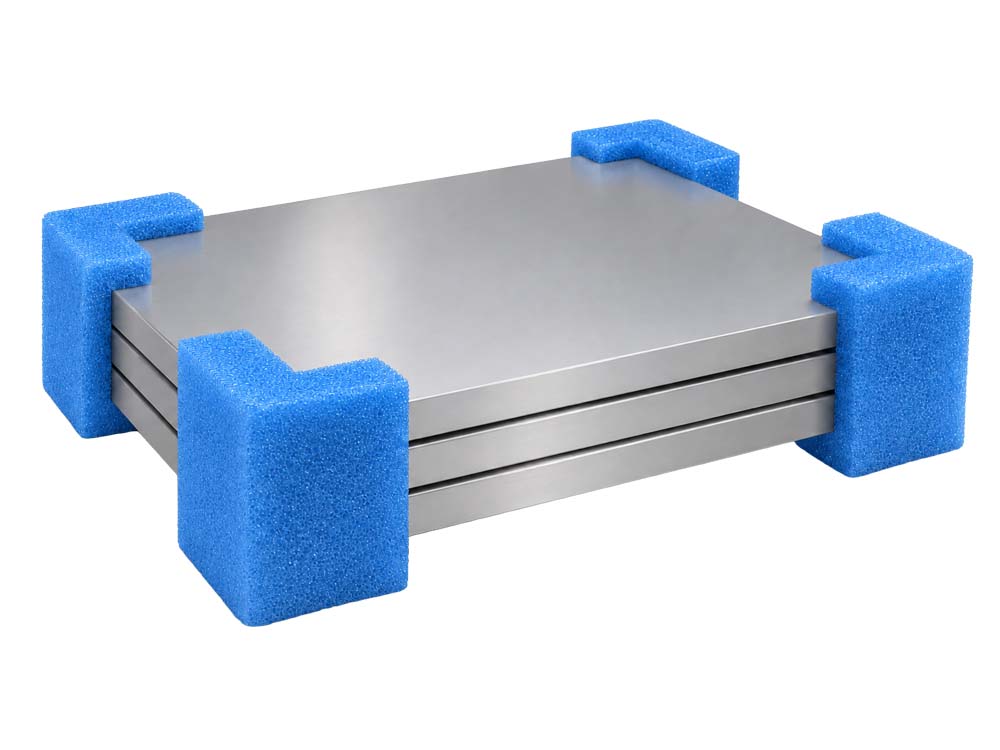
Protect the ends and corners of long or bulky parts that are too large for a tote or tray.
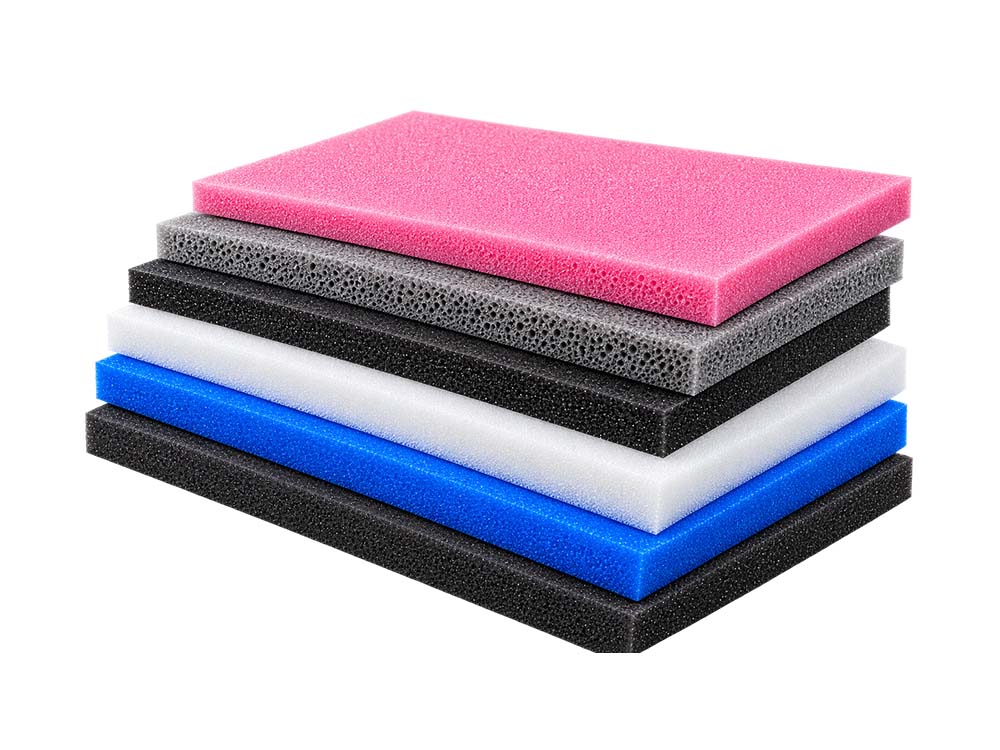
Add layer pads and separator sheets between stacked dunnage trays for an extra cushion.
Answers to common questions